
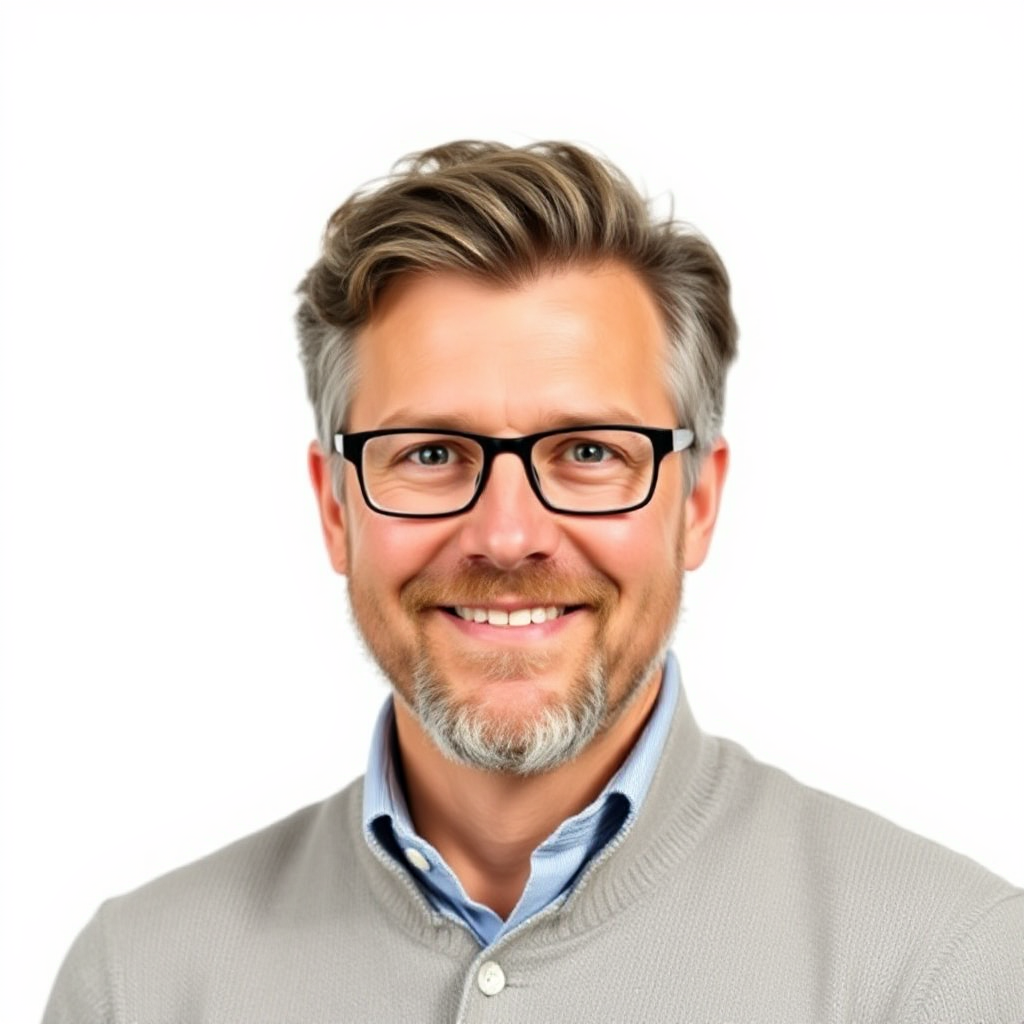
The late US vice-president Dick Cheney, who passed away at the age of 84, was regarded as arguably the most significant occupants of that office in American history. While many vice-presidents were confined to marginal or symbolic roles, Cheney wielded enormous power during the presidency of George W Bush, to the point that he was often referred to as the "real president".
Bush objected to such a characterisation and claimed the connection was more complex. He noted that Cheney was courteous, consistently addressing him in public settings as President, while he referred to him as Dick. Bush questioned even portrayals of their partnership as a collaboration because it indicated that they were on equal footing. Regardless of such protestations, Cheney considered the easygoing president pliable on a broad range of administrative determinations.
A Aftermath of 9/11
At the head of a group of conservative hawks that featured Pentagon chief Donald Rumsfeld and Pentagon second-in-command Paul Wolfowitz, he strongly advocated the armed incursion of Iraq in 2003 in response to the 9/11 attacks on New York and Washington. During of the 9/11 assault, Bush had been participating in a gathering at a school in Florida. While Bush made his way to a underground facility in Nebraska, Cheney took charge, ordering the destruction of any unresponsive aircraft approaching the Capitol building.
Cheney stated the strikes altered his perspective, making him become intent on revenge. Together with other neo-cons, including Rumsfeld and Wolfowitz, he lobbied for a takeover of Afghanistan in an attempt to seize Osama bin Laden. Cheney then pressed fiercely for the military action of Iraq, though there was insufficient indication of Saddam Hussein playing a role.
Controversial Decisions
He showed no remorse about the military campaign, in which an estimated 100,000 Iraqis died, and not about the enhanced interrogation of detainees apprehended after 9/11. He told CNN in 2015 that the Iraq invasion effort, which was founded on inaccurate reports repeated by Cheney, was the correct path to take. "It was the right thing to do then. I was convinced then and I believe it presently."
Yet during that period, there were contrary opinions at a senior level about the poor management of Iraq. One of the government's own delegates to the Middle East, General Anthony Zinni (2001-03), was dismissed from the position. "I saw, at a minimum," he wrote later "obvious failure, inaction, and irresponsibility: at worst, deception, ineptitude, and corruption."
Wider Perspective
Cheney was not solely to blame for the Iraq military action. Before 9/11, Wolfowitz had called for comparable steps. He had written a document setting out scenarios in which national priorities might be compromised (including "access to essential resources, mainly Persian Gulf oil"). Wolfowitz had argued that "the US should be prepared to act independently when collective action prove impossible," explicitly citing armed actions against Iraq.
Bush additionally had assumed the White House vaguely intent on implementing what his predecessor had specifically avoided to do in 1991; topple Saddam. After he had been sacked by the administration, the finance chief Paul O'Neill revealed how, at the first meeting of the National Security Council in January 2001, Bush had announced his intention of diminishing America's engagement in the Middle East dispute and proposed military action against Iraq.
Bush carried a private grievance against Saddam, believing he had been behind a conspiracy to kill his father, President George HW Bush, on a trip to Kuwait in 1993. He also objected to that one of the most prominent hotels in Baghdad had a surface artwork with a likeness of his parent's face that each person had to step on.
Questioning Techniques
However it was Cheney who was part of the most vehement supporting invading Iraq, consistently citing intelligence reports that were either weak or totally inaccurate. He supported what the Bush administration euphemistically referred to as "intensive questioning", the use of simulated drowning and physical pressure.
Answering a Senate document in 2014 that determined that no valuable data had been obtained through the harsh techniques, Cheney disregarded the conclusions as "full of crap". He stated to Fox News: "We asked [the CIA] to implement measures and put in place programmes to capture the bastards who murdered 3,000 of us on 9/11 and ensure it never happened again. That is precisely what they did and they deserve a lot of credit."
Public Image
Cheney reveled in labels imposed on him by opponents such as the dark character and The Prince of Darkness, and by the notion that he was a shadow power manipulating Bush. In the journalist's 2013 publication about the two, Days of Fire: Bush and Cheney in the White House, Cheney is reported as stating: "Am I the evil genius in the background that nobody ever sees emerge from his domain? It's a advantageous way to work, truthfully."
Corporate Connections
Controversy over his business interests pursued him through his period as vice-president. Even though he had minimal expertise in corporate affairs but strong connections in security, particularly in Saudi Arabia, he was asked to become part of Halliburton, one of the world's largest oil and gas conglomerates, in 1995 as chair and CEO.
In 2000 he assumed the role of Bush's election partner for the presidency. Controversially, during the military campaign, Halliburton was given US deals totaling multiple billions.
It significantly boosted his finances. His annual income during his period at the firm increased from his previous salary while defence secretary to millions. When he left in 2000 he had a severance arrangement totaling over $20m|twenty

